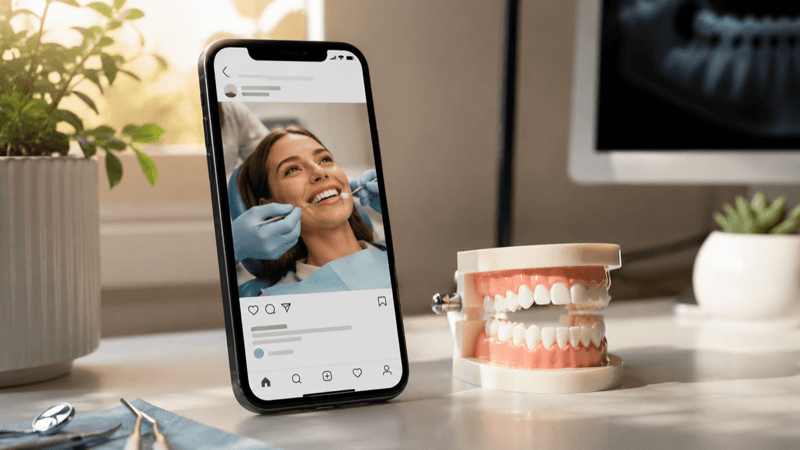
Hygiene production is the backbone of a profitable dental practice. It's predictable, recurring revenue that also drives restorative case acceptance. Yet most practices lose 20–30% of their active hygiene patients every year to simple attrition: patients who don't schedule their next prophylaxis, ignore recall postcards, and quietly drift away to another practice — or to no dentist at all.
The Real Cost of Hygiene Attrition
A practice with 2,000 active patients and a 25% annual attrition rate loses 500 hygiene patients per year. At two visits per year and an average hygiene production of $250 per visit, that's $250,000 in annual hygiene production walking out the door — not counting the restorative treatment those patients would have accepted.
The Downstream Production Impact
Every hygiene visit is a diagnostic opportunity. Hygienists identify caries, periodontal disease, failing restorations, and cosmetic opportunities. Industry data shows that roughly 30% of hygiene visits result in a restorative treatment recommendation. Lose the hygiene visit, lose the case diagnosis, lose the production.
Why Traditional Recall Systems Fail
Postcards get thrown away. Emails go to spam. Your front desk is too busy checking in patients and verifying insurance to spend 45 minutes calling overdue hygiene patients. The recall list grows, nobody works it consistently, and your hygiene schedule develops chronic gaps that slowly erode profitability.
How AI Recall Changes the Math
AI-powered recall contacts overdue patients automatically via their preferred channel — text, email, or voice call — on a persistent but respectful cadence. It doesn't just remind; it books. When a patient responds to a recall text, AI checks your hygiene schedule in real time and offers available times. The patient confirms with a single reply, and the appointment appears in Dentrix, Eaglesoft, or Open Dental.
- First recall contact: 1 week before the patient's due date
- Second contact: on the due date if not yet scheduled
- Third contact: 2 weeks overdue
- Fourth contact: 6 weeks overdue with a personalized message from the hygienist
- Final attempt: 3 months overdue with an offer for a preferred time slot
Practices using AI-powered recall systems report a 30–45% improvement in reactivation rates for overdue hygiene patients — turning their biggest source of attrition into a predictable reactivation pipeline.
Pre-Appointment Scheduling Is the Real Win
The best recall strategy is preventing the patient from becoming overdue in the first place. AI can prompt your front desk — or prompt the patient directly — to schedule their next prophylaxis before they leave the office. If the patient declines to schedule at checkout, AI adds them to an automated pre-due outreach sequence that begins 4–6 weeks before their next recommended visit. Practices that implement pre-appointment scheduling see hygiene attrition rates drop below 10%.